Can a Light Really Improve your health
Red Light Therapy:
Hype or Helpful?
Red Light Therapy has quickly become one of the hottest trends in wellness, with claims ranging from improved recovery and healthier skin to reduced inflammation and increased energy. But is it a legitimate wellness tool backed by science, or simply another overhyped trend? Let’s take a closer look at what the research actually says.
- May 30, 2026
- TheWellnessInsiderCanada
- 7:09 pm
Quick Answer
Red Light Therapy is one of the few wellness trends backed by a growing body of scientific research. While it won’t replace exercise, nutrition, or medical care, studies suggest it may support recovery, skin health, and overall wellness, making it a promising tool rather than just another wellness fad.
Can a Light Really Improve Your Health?
Red Light Therapy has exploded in popularity over the last few years. Professional athletes use it. Wellness influencers swear by it. Luxury spas offer expensive sessions, and now manufacturers are integrating red light technology into products ranging from saunas to skincare devices.
But does it actually work?
As with many wellness trends, separating marketing claims from scientific evidence can be challenging. Some people view Red Light Therapy as the next major breakthrough in health and recovery. Others dismiss it as another expensive wellness fad.
The truth lies somewhere in the middle.
In this guide, we’ll explore what Red Light Therapy is, what the science currently says, who may benefit from it, and whether it’s worth considering for your wellness routine.
What Is Red Light Therapy?
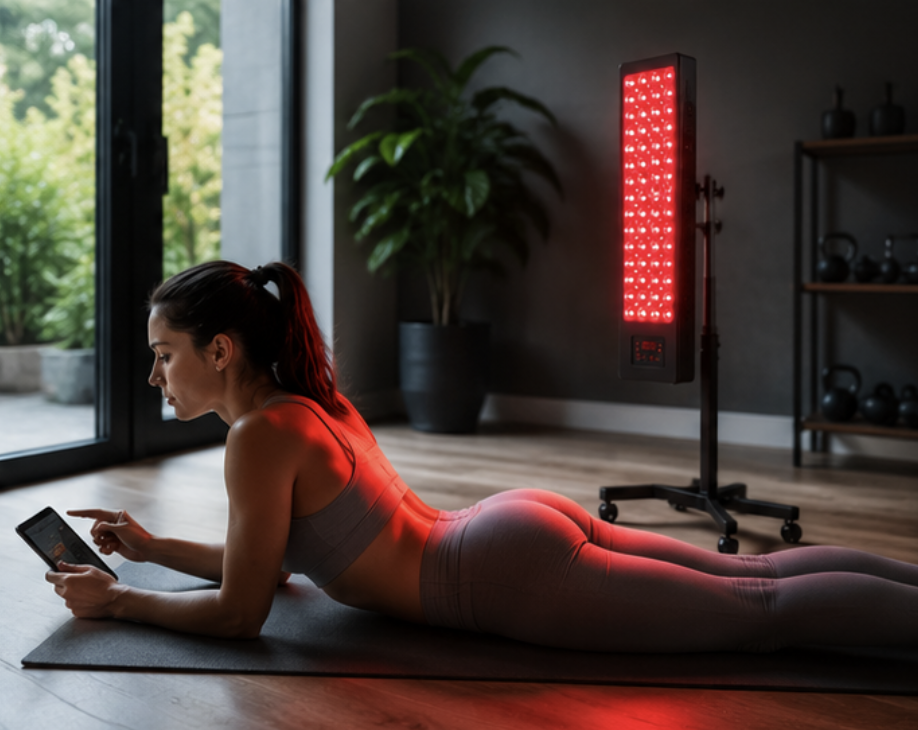
Red Light Therapy (RLT), also known as Photobiomodulation Therapy (PBM), uses specific wavelengths of red and near-infrared light to stimulate cellular activity.
Unlike UV rays from the sun, red and near-infrared light do not damage skin tissue. Instead, these wavelengths penetrate the body and interact with cells, particularly within the mitochondria—the energy-producing centers often referred to as the “power plants” of the cell.
The theory is simple:
When cells absorb these wavelengths, they may produce energy more efficiently, helping support repair, recovery, and overall function.
How Does Red Light Therapy Work?
Think of Red Light Therapy like giving your cells a recharge.
Research suggests red and near-infrared light may stimulate the production of ATP (adenosine triphosphate), the primary energy currency used by cells.
When cells have more available energy, they may function more effectively in areas such as:
- Tissue repair
- Recovery from exercise
- Skin rejuvenation
- Circulation
- Inflammation management
- Joint comfort
- Muscle recovery
While researchers continue to study the long-term effects, the underlying biological mechanisms are becoming increasingly understood.
Wellness Insider Tip
Don’t judge Red Light Therapy after one or two sessions. Most of the benefits reported in clinical studies come from consistent use over several weeks. If you’re considering Red Light Therapy, look for devices that clearly disclose their wavelengths and treatment specifications rather than focusing solely on marketing claims or celebrity endorsements.
What Does the Research Support?
Let’s separate proven benefits from marketing hype.
Areas With Strong Evidence
Skin Health and Anti-Aging
This is one of the most researched uses of Red Light Therapy.
Studies have shown improvements in:
- Fine lines and wrinkles
- Skin elasticity
- Collagen production
- Skin texture
- Overall skin appearance
This is why many dermatology clinics and medical spas have adopted Red Light Therapy as part of their treatment offerings.
Muscle Recovery
Athletes have increasingly embraced Red Light Therapy because studies suggest it may:
- Reduce post-workout soreness
- Support muscle recovery
- Improve recovery between training sessions
- Help reduce exercise-related inflammation
While it won’t replace proper sleep, nutrition, or training, it may provide an additional recovery advantage.
Joint Comfort and Mobility
Research suggests Red Light Therapy may help support:
- Joint comfort
- Mobility
- Temporary reduction of inflammation
Many users report benefits for knees, shoulders, backs, and other commonly stressed joints.
Areas Where the Evidence Is Still Developing
Weight Loss
Many advertisements claim Red Light Therapy can melt fat away.
The reality?
Current evidence remains limited and inconsistent.
While some studies suggest potential effects on fat cells when combined with exercise and proper nutrition, Red Light Therapy should not be viewed as a standalone weight-loss solution.
Testosterone Enhancement
Another popular claim is that Red Light Therapy dramatically boosts testosterone.
Some early research is promising, but current evidence is far from conclusive.
Anyone promising dramatic hormonal changes from a simple light treatment is likely overstating the science.
Miracle Healing Claims
Be cautious of companies claiming Red Light Therapy can:
- Cure diseases
- Replace medical treatment
- Eliminate chronic conditions overnight
These claims are not supported by current scientific evidence.
Wellness Insider Tip
Don’t judge Red Light Therapy after one or two sessions. Most of the benefits reported in clinical studies come from consistent use over several weeks. If you’re considering Red Light Therapy, look for devices that clearly disclose their wavelengths and treatment specifications rather than focusing solely on marketing claims or celebrity endorsements.
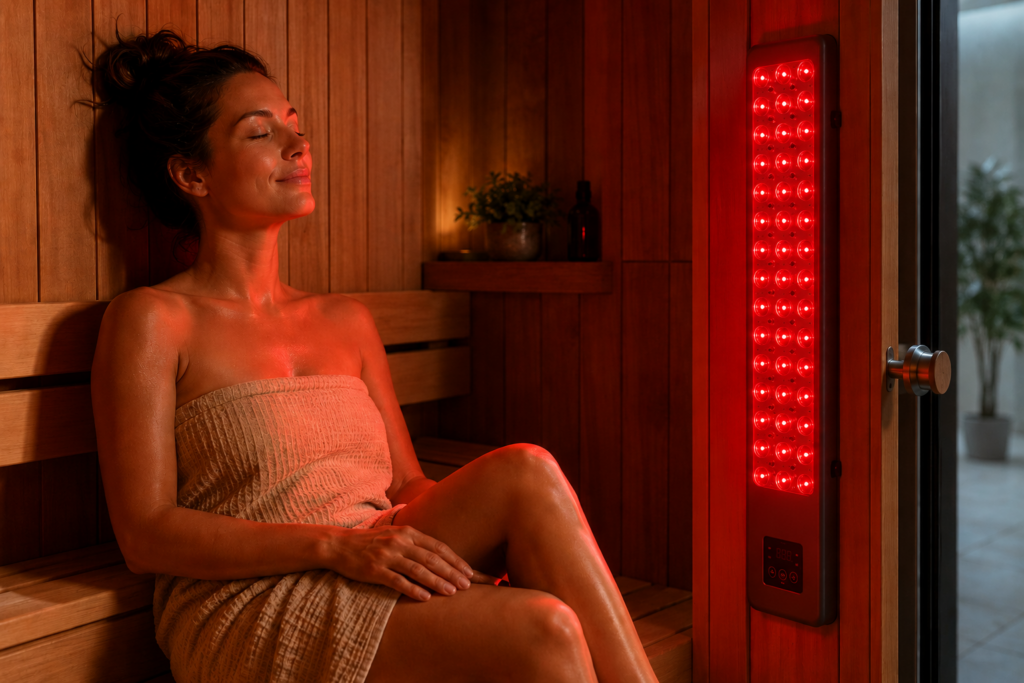
What About Red Light Therapy in Saunas?
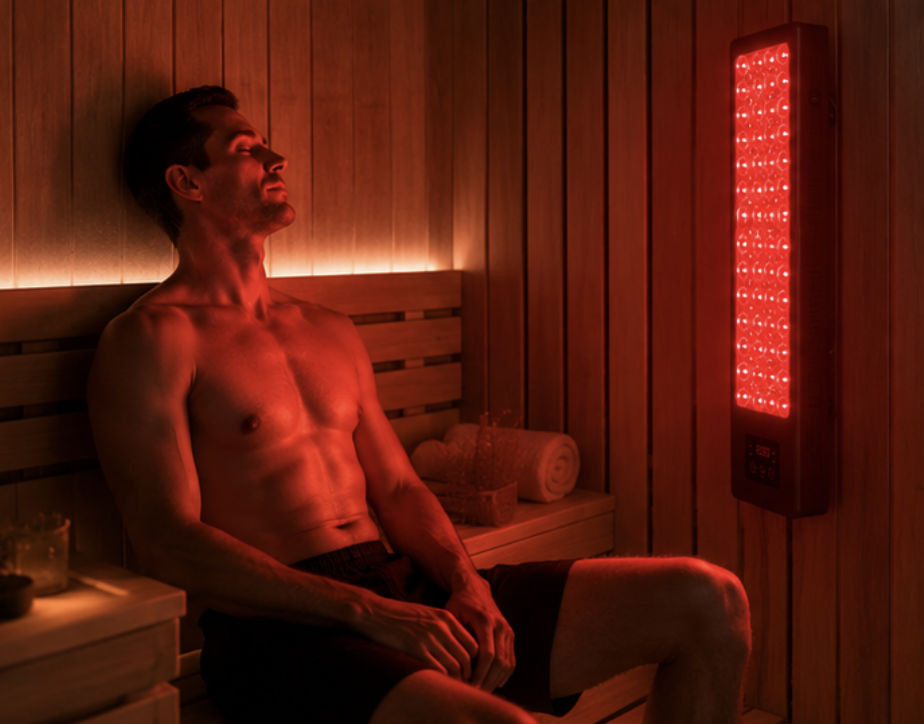
One of the newest trends in wellness is combining infrared sauna therapy with integrated Red Light Therapy.
This approach allows users to experience:
- Infrared heat therapy
- Relaxation
- Red light exposure
- Potential recovery benefits
Many premium sauna manufacturers have begun integrating red light panels directly into their designs.
For individuals already considering an infrared sauna, integrated Red Light Therapy can be an attractive added feature without requiring a separate treatment device.
Who Might Benefit Most?
Red Light Therapy may be worth exploring if you:
✓ Exercise regularly
✓ Experience muscle soreness or recovery challenges
✓ Want to support healthy aging skin
✓ Are looking for non-invasive wellness therapies
✓ Use a sauna as part of your wellness routine
✓ Want additional recovery tools alongside healthy lifestyle habits
What Should Canadians Look For?
Not all Red Light Therapy devices are created equal.
When researching products, pay attention to:
Wavelengths
The most commonly studied ranges include:
- Red Light: 630nm–670nm
- Near-Infrared Light: 810nm–850nm
Treatment Area
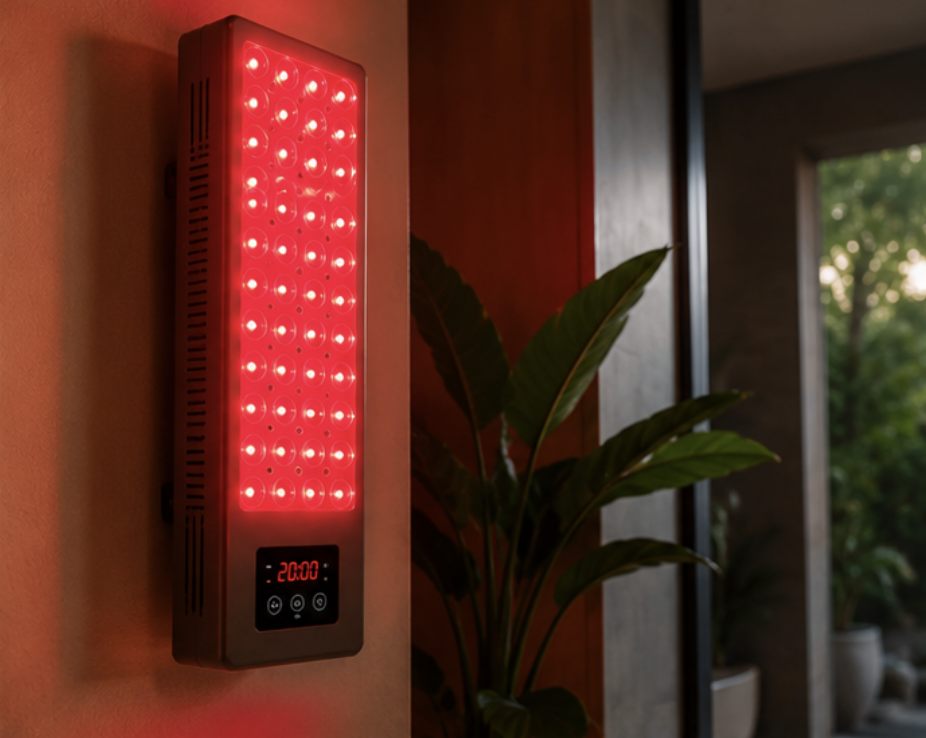
Larger panels generally provide more comprehensive body coverage than handheld devices.
Power Output
More power does not automatically mean better, but insufficient power may limit effectiveness.
Safety Certifications
Look for reputable manufacturers that provide transparent specifications and safety testing.
The Wellness Insider Canada Verdict
So, is Red Light Therapy hype or helpful?
Our answer is both.
The hype often comes from exaggerated marketing claims that promise miraculous results.
The helpful part comes from a growing body of scientific research supporting benefits for:
- Skin health
- Recovery
- Joint comfort
- Cellular function
Red Light Therapy isn’t magic.
It won’t replace exercise, healthy eating, quality sleep, or medical care.
However, for many Canadians looking to improve recovery, support healthy aging, and optimize their wellness routine, it appears to be a legitimate tool with real potential benefits.
As always, the best wellness investments are the ones supported by both science and realistic expectations.
Final Thoughts
The wellness industry is filled with products that promise life-changing results. Red Light Therapy stands out because it has something many wellness trends lack: growing scientific support.
Will it transform your life overnight?
NO.
Could it become a valuable part of a broader wellness routine?
For many people including The Wellness Insider Canada the answer is YES!! Many of these benefits are real and will assist and should be combined with other Healthy Routines such as Exercise, & Healthy Eating.
At The Wellness Insider Canada, we will continue to separate marketing promises from real-world results so Canadians can make informed wellness decisions before they buy.
Frequently Asked Questions
Research suggests Red Light Therapy may help support skin health, muscle recovery, circulation, and joint comfort. While results vary from person to person, it is one of the more scientifically studied wellness technologies available today.
Many users report noticing improvements within 2 to 8 weeks of consistent use. Skin-related benefits often take longer to become noticeable than recovery-related benefits.
For most healthy adults, Red Light Therapy is considered safe when used according to manufacturer guidelines. Unlike UV light, it does not damage skin cells or cause sunburn. It is our recommendation to do your research and to buy trusted brands!
Research suggests Red Light Therapy may stimulate collagen production and improve skin elasticity, potentially reducing the appearance of fine lines and wrinkles over time.
Studies indicate that Red Light Therapy may help reduce post-exercise soreness and support muscle recovery, making it popular among athletes and active individuals.
Red Light primarily affects tissues closer to the skin’s surface, while Near-Infrared Light penetrates deeper into muscles, joints, and connective tissues. Many premium devices combine both wavelengths.
Most manufacturers recommend sessions lasting 10–20 minutes several times per week. Consistency is generally more important than longer sessions.
If your goals include supporting recovery, healthy aging, skin health, or overall wellness, Red Light Therapy may be worth considering. However, it’s best viewed as a complement to healthy lifestyle habits rather than a replacement for them.
What's on Your Wellness Wishlist?

Help shape our future reviews, guides, and comparisons.
Thank You for Taking the Time to Visit our Site!
Was this Helpful?
Your feedback is always welcome as we are consistently looking to improve.