Both deliver incredible wellness benefits — but they create very different sauna experiences!
Below we will explore the differences further for anyone new.
If you already know Traditional or Infrared you can select the links below:
Traditional Sauna
OR
Infrared Sauna
Which Sauna Experience Is Right for You?
Saunas have been part of wellness culture for generations, but today’s buyers are often faced with one big question:
Should you choose a Traditional Sauna or an Infrared Sauna?
The truth is — both provide incredible wellness benefits, relaxation, and recovery advantages. The best choice comes down to your goals, your space, and how you personally enjoy heat therapy.
The Core Difference
Traditional Saunas
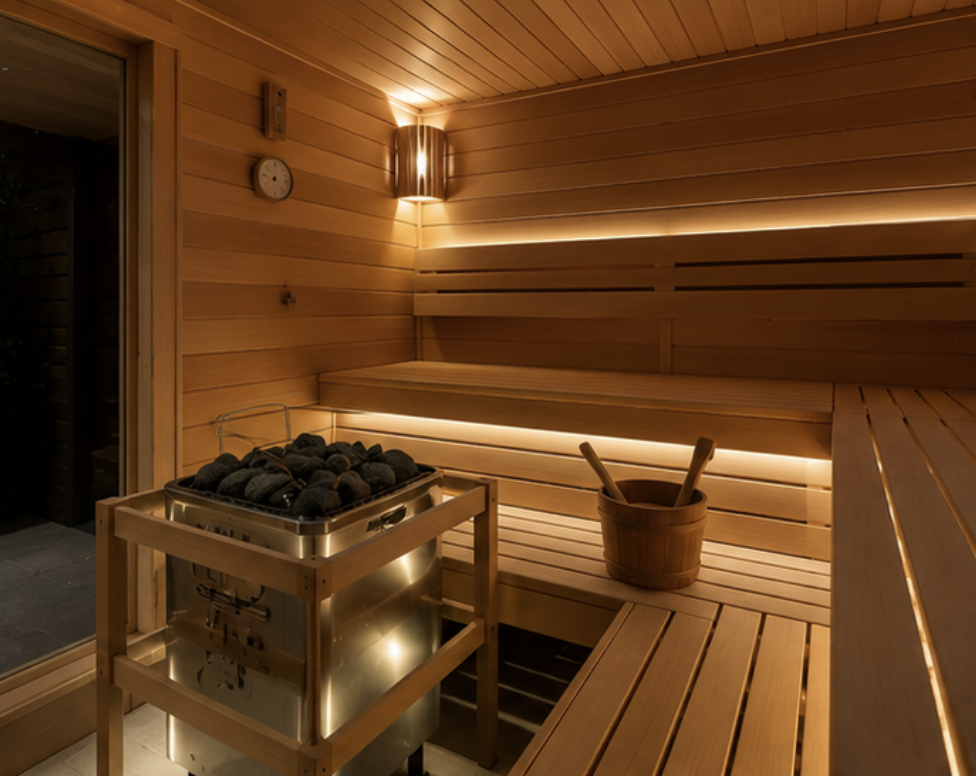
Traditional saunas heat the air around you using an electric heater or wood-burning stove. The room itself becomes extremely hot, creating a classic sauna experience with intense heat and steam.
Traditional saunas can be installed:
Indoors
Outdoors
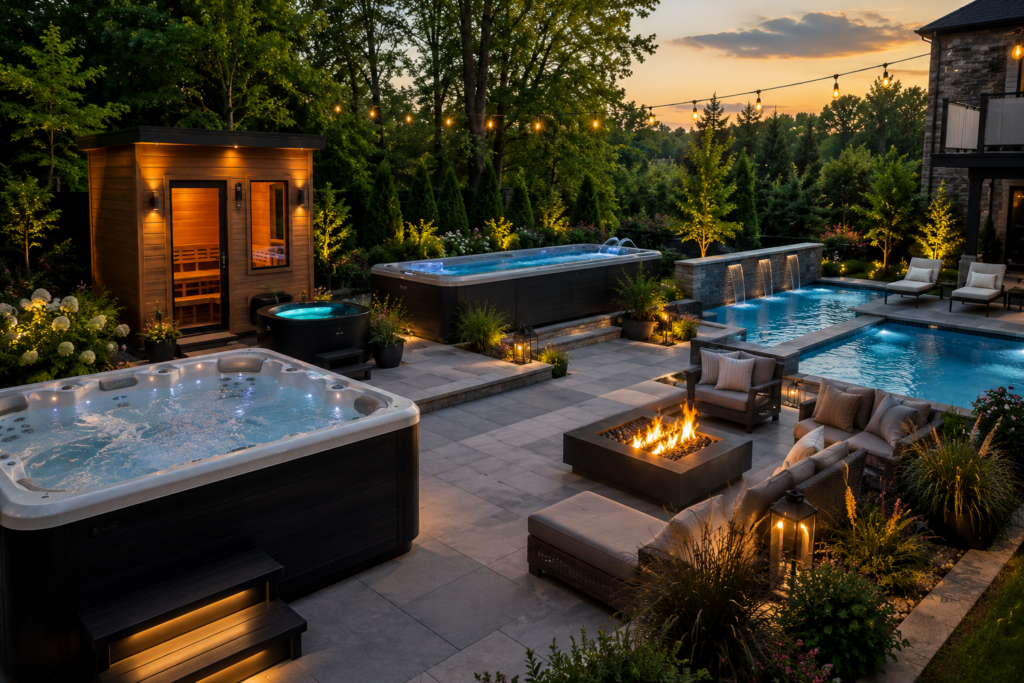
Backyard wellness spaces
Pool houses
Cottage retreats
They offer the authentic “Finnish-style” sauna experience many people know and love.
Infrared Saunas
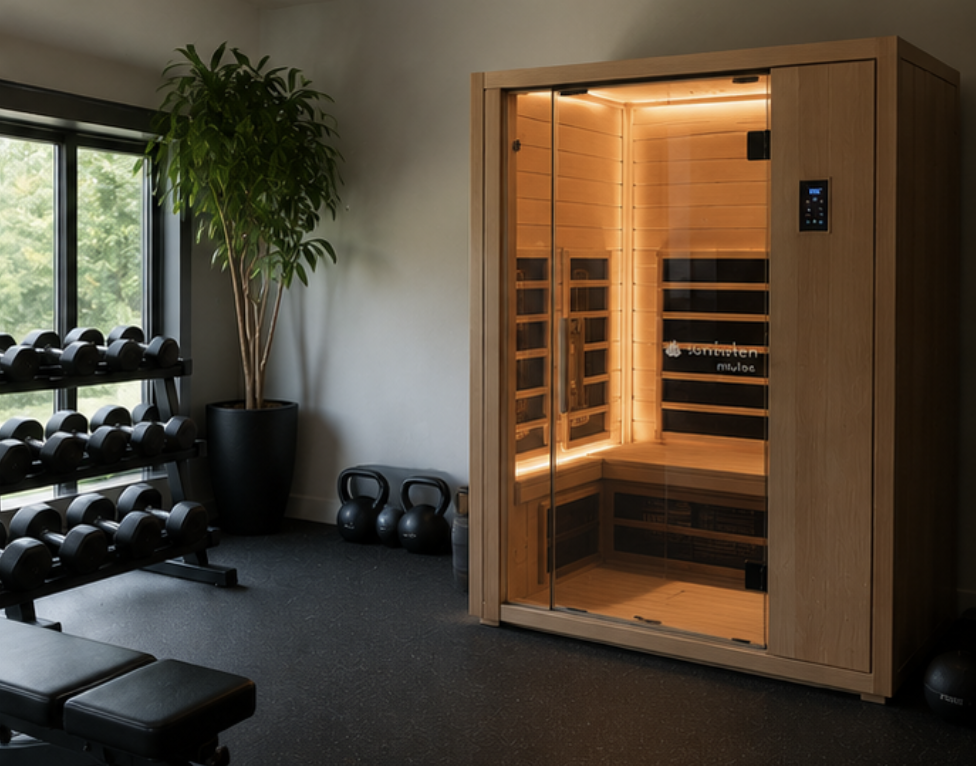
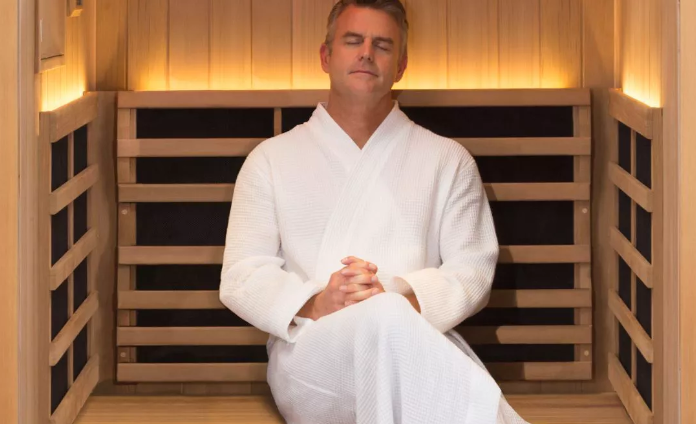
Infrared saunas work differently. Instead of heavily heating the air, infrared panels use radiant heat to warm the body directly.
This creates:
Lower ambient temperatures
A gentler heat experience
Longer, more comfortable sessions for many users
Infrared saunas are typically designed for:
Indoor use
Basements
Home gyms
Bedrooms
Wellness rooms
Condo or smaller-space applications
While outdoor infrared options do exist, most infrared sauna installations are indoor-focused.
Heat Experience Comparison
Feature
Traditional Sauna
Infrared Sauna
Typical Temperature
150°F – 195°F
110°F – 140°F
Heat Style
Heats the air
Heats the body directly
Steam Capability
Yes
No
Humidity
Adjustable with water on rocks
Dry heat
Warm-Up Time
Longer
Faster
Intensity
High heat experience
More gentle and tolerable
Wellness Insider Tip
Infrared saunas are often chosen by users focused on detoxification and daily wellness. Because infrared heat warms the body directly rather than primarily heating the air, many users report a deeper, more comfortable sweat at lower temperatures. While some manufacturers promote superior detoxification benefits, current research suggests both infrared and traditional saunas can support the body’s natural elimination processes through sweating, circulation, and relaxation.
Detoxification & Sweating
One of the biggest differences people discuss is the style of perspiration and detoxification.
Infrared saunas are often promoted for producing a deeper sweat at lower temperatures because the infrared heat penetrates more directly into body tissue.
Some wellness professionals and manufacturers suggest:
Infrared saunas may support up to approximately 20% toxin elimination through sweat
Traditional saunas are often associated closer to approximately 3% toxin elimination
Traditional saunas, however, excel at:
Intense cardiovascular stimulation
Heavy perspiration
Circulation improvement
Mental relaxation through high heat exposure
Both sauna styles encourage sweating, relaxation, and recovery — they simply achieve it differently.
Benefits of Traditional Saunas
Authentic Sauna Experience
The intense heat, steam, and aroma create the classic sauna environment many people crave.
Indoor or Outdoor Flexibility
Traditional saunas work beautifully in:
Backyard retreats
Poolside installations
Cottage environments
Indoor spa rooms
They are often the preferred option for creating a true outdoor wellness setup.
Higher Heat Therapy
Many users enjoy the intense heat for:
Stress relief
Muscle relaxation
Improved circulation
Post-workout recovery
Steam & Humidity
Adding water to sauna rocks creates steam that many users find deeply relaxing and therapeutic.
Benefits of Infrared Saunas
Lower Heat, Longer Sessions
Infrared saunas are ideal for people who:
Dislike extreme heat
Are new to saunas
Want a more comfortable experience
Prefer longer wellness sessions
Energy Efficient
Infrared units generally:
Heat up faster
Consume less electricity
Require less overall energy
Indoor-Friendly Design
Infrared saunas are extremely popular for:
Homes
Condos
Home gyms
Wellness rooms
Many plug directly into standard household outlets depending on size.
Recovery & Relaxation
Infrared heat is commonly used for:
Muscle recovery
Relaxation
Stress reduction
Wellness routines
Daily recovery sessions
Wellness Insider Tip
Don’t overlook the outdoor advantage of Traditional Saunas. While infrared saunas are typically designed for indoor spaces, traditional saunas can be installed both indoors and outdoors, making them an excellent centerpiece for a backyard wellness retreat. If your dream includes stepping from a hot sauna into a cold plunge, swimming pool, or snowy Canadian backyard, a traditional sauna often delivers the most authentic and versatile experience.
Which Sauna Is Better for You?
Choose a Traditional Sauna If You:
Love intense heat
Want an authentic sauna experience
Plan to build an outdoor wellness space
Enjoy steam
Want a cottage or backyard spa feel
Prefer social sauna sessions
Choose an Infrared Sauna If You:
Prefer gentler heat
Want easier indoor installation
Have limited space
Want quicker heat-up times
Plan to use your sauna frequently
Want a more modern wellness-focused experience
The Wellness Insider Canada Verdict
There is no “wrong” choice between Traditional and Infrared saunas. Both offer real wellness benefits and both can become an incredible part of your daily recovery and relaxation routine.
For many Canadians:
Traditional saunas create the ultimate backyard wellness escape
Infrared saunas provide a practical everyday wellness solution inside the home
The best sauna is the one you’ll actually use consistently.
Because at the end of the day, consistency is where the real wellness benefits begin!!
What's on Your Wellness Wishlist?
Loading ...
Help shape our future reviews, guides, and comparisons.
Thank You for Taking the Time to Visit our Site!
Was this Helpful?
Your feedback is always welcome as we are consistently looking to improve.