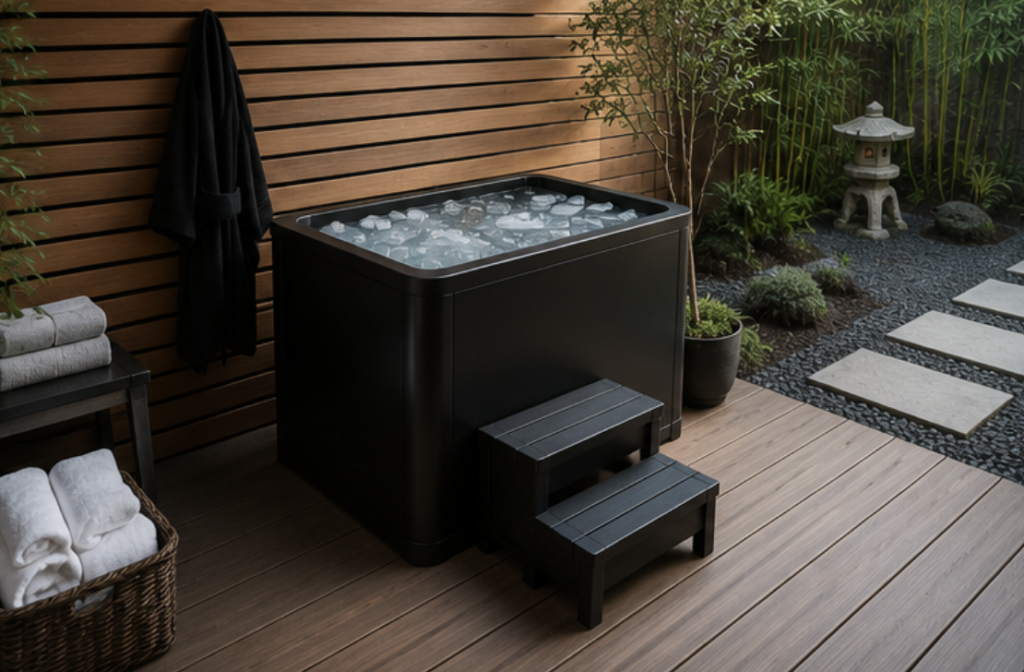
Same cold water. Completely different experience.
Ice Bath vs Cold Plunge Tub: Which Is Better for Recovery?
Cold therapy has exploded in popularity—but many people still assume an ice bath and a cold plunge tub are the same thing. While both expose the body to cold water, the setup, consistency, comfort, maintenance, and long-term usability can be dramatically different.
- June 9, 2026
- TheWellnessInsiderCanada
- 8:00 pm
Quick Answer
If your goal is occasional recovery at the lowest cost, an ice bath can work well. If you want a cleaner, more consistent, easier-to-use experience that fits into a long-term wellness routine, a dedicated cold plunge tub is usually the better investment.
Ice Bath vs Cold Plunge Tub: What's The Difference?
At first glance these seem identical: cold water + recovery.
But in reality they serve slightly different lifestyles.
An ice bath is usually:
• Temporary setup
• Requires adding ice manually
• Lower upfront cost
• Less temperature consistency
• More effort per session
A cold plunge tub is usually:
• Purpose-built system
• Mechanical cooling
• Temperature controlled
• Cleaner circulation & filtration
• Designed for repeat use
If recovery becomes a habit, convenience starts to matter.
What Is An Ice Bath?
Traditional ice baths involve filling a tub or container with water and adding bags of ice.
They’ve been used for decades by athletes after training sessions.
Typical setup:
- Bathtub
- Stock tank
- Portable inflatable tub
- Bags of purchased ice
Pros:
✓ Low startup cost
✓ Easy to try
✓ Portable
Cons:
✕ Ongoing ice costs
✕ Temperature fluctuates
✕ Setup takes time
✕ Usually minimal filtration
Best For:
People trying cold therapy for the first time.
What Is A Cold Plunge Tub?
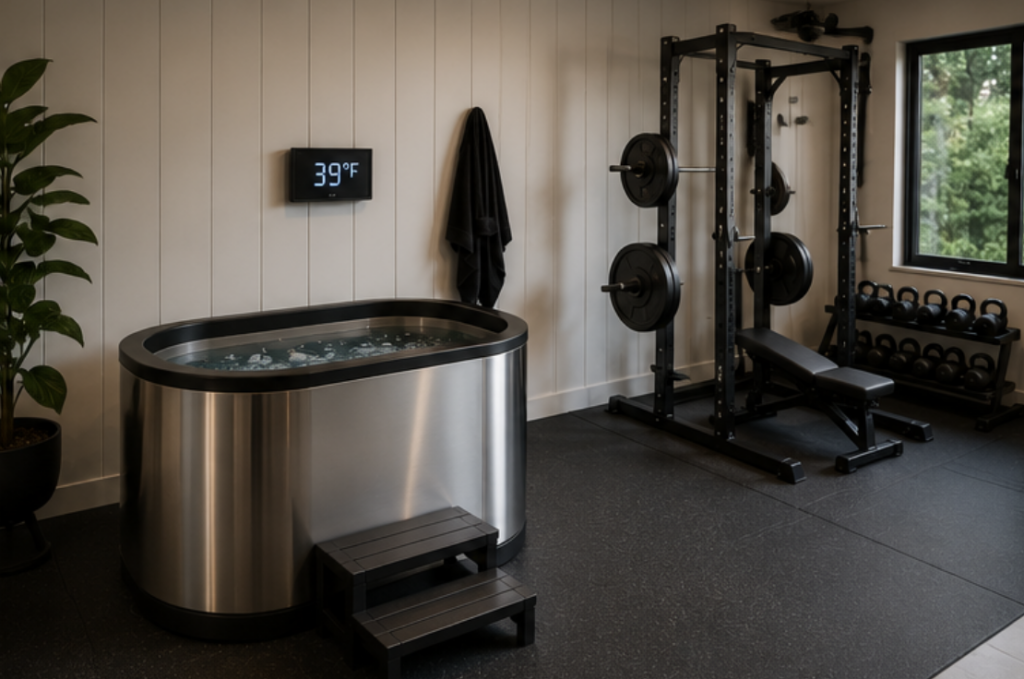
Cold plunge tubs are dedicated systems built to maintain cold water automatically.
Many include:
- Water circulation
- Filtration
- Cooling systems
- Digital temperature controls
- Outdoor durability
You simply uncover, step in, and recover.
Pros:
✓ Consistent temperatures
✓ Easier routine building
✓ Cleaner water
✓ Lower daily effort
Cons:
✕ Higher upfront investment
✕ Requires space
✕ May require power installation
Best For:
People committed to regular recovery and wellness.

Wellness Insider Tip
Don’t chase colder temperatures immediately. Build consistency first.
Recovery Benefits: Is One More Effective?
This is where people overcomplicate things.
The body largely responds to:
- Water temperature
- Exposure duration
- Consistency of use
That means a perfectly prepared ice bath can create similar immediate cold exposure.
But many users discover they simply use a cold plunge tub more often because it removes friction.
Consistency beats intensity.
Cost Comparison
Ice Bath:
Lower purchase price but ongoing ice expenses.
Cold Plunge:
Higher initial investment but easier long-term operation.
Questions to ask:
- Will I actually use this weekly?
- Do I want setup every session?
- Is this part of a backyard wellness space?
Maintenance Comparison
Ice Bath:
Minimal equipment—but more manual cleaning.
Cold Plunge:
Requires upkeep but often includes circulation and filtration.
Think:
Work now vs automation later.
Wellness Insider Tip
If your cold recovery setup takes 30 minutes to prepare, you’ll eventually stop using it.
Which One Is Better For Canadian Winters?
This one depends on your goals.
Ice Bath:
Excellent seasonal option.
Cold Plunge:
Better if you want year-round consistency.
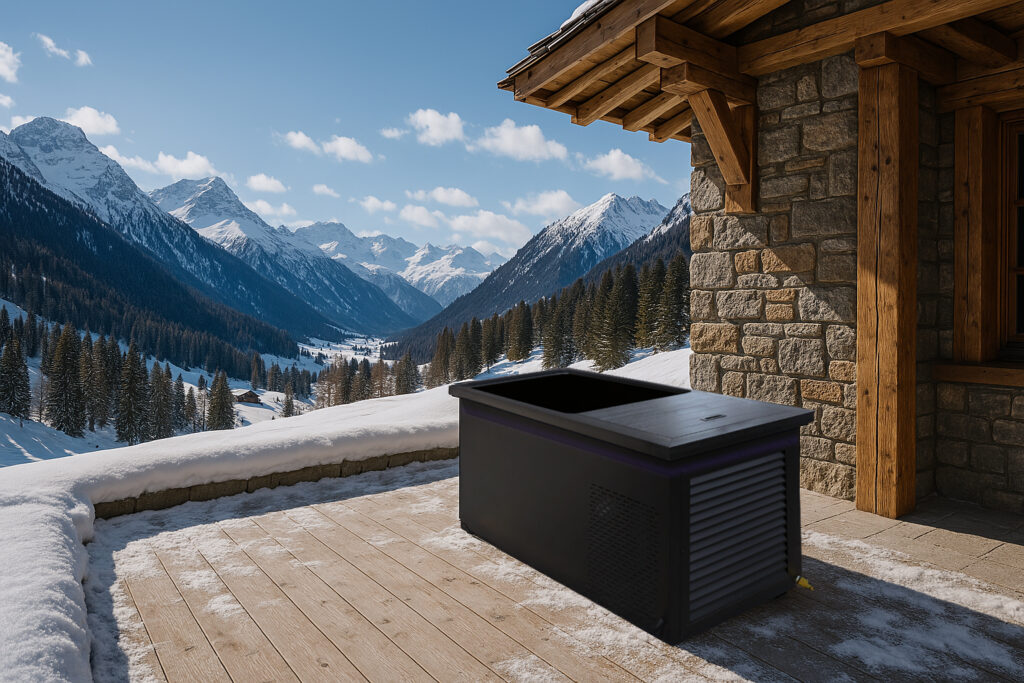
For outdoor backyard setups, purpose-built cold systems usually create the smoother ownership experience.
The Wellness Insider Canada Verdict
Choose an ice bath if you’re curious and want an affordable way to experiment.
Choose a cold plunge tub if you want recovery to become part of your lifestyle.
The biggest difference isn’t temperature.
It’s convenience.
Because the best recovery routine is the one that keeps happening.
Frequently Asked Questions
Not necessarily. Comfort, consistency, and gradual adaptation matter.
Absolutely. Start conservatively and build over time.
Some systems do; others rely more heavily on filtration and circulation.
That depends on goals, activity levels, and personal preference.
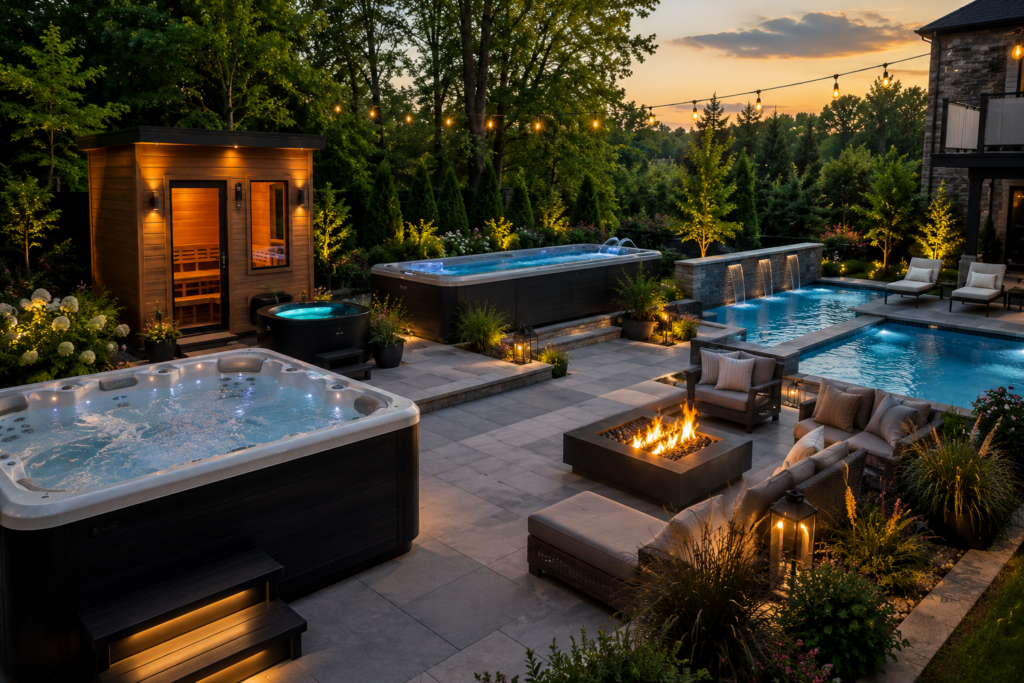
Definitely—and many people pair them with hot tubs or saunas.
What's on Your Wellness Wishlist?
Help shape our future reviews, guides, and comparisons.
Thank You for Taking the Time to Visit our Site!
Was this Helpful?
Your feedback is always welcome as we are consistently looking to improve.