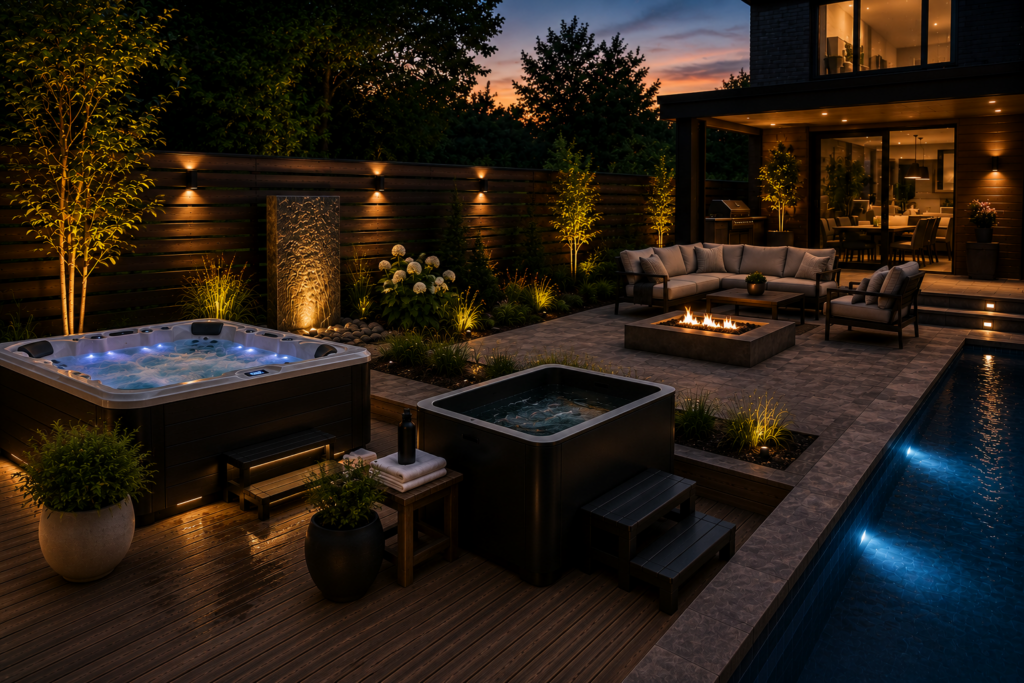
Buying a hot tub isn’t just about today—it’s about whether someone can still service it years from now.
How Long Does a Hot Tub Really Last?
Most people ask how long a hot tub lasts. The better question might be: how long will your hot tub remain enjoyable, repairable, and worth keeping? Build quality matters—but dealer support, parts access, and long-term service networks may matter even more.
- June 22, 2026
- TheWellnessInsiderCanada
- 10:37 am
Quick Answer
There isn’t one universal answer—but for most quality hot tubs, owners should expect approximately:
• Entry-Level Hot Tub: 5–10 years
• Mid-Range Quality Hot Tub: 10–15 years
• Premium Dealer-Supported Hot Tub: 15–20+ years
The surprising part? Age alone rarely retires a hot tub.
More often, owners replace them because:
- Repairs become inconvenient
- Parts become difficult to source
- Service becomes limited
- Operating costs climb
- New technology becomes attractive
That means lifespan is often a support question—not just a manufacturing question.
Build Quality Matters More Than Features
When shopping, buyers often focus on:
- Number of jets
- Lighting
- Stereo systems
- Screens
But long-term durability usually comes down to:
- Shell construction
- Cabinet materials
- Plumbing design
- Frame quality
- Insulation
- Equipment access
A simpler, well-built tub frequently outlasts a feature-loaded model with difficult servicing.

Wellness Insider Tip
Ask to see inside the cabinet if possible. A clean equipment layout often says more about long-term ownership than the number of jets.
The Parts Question Nobody Asks
This may be the most overlooked question during a hot tub purchase:
“Who actually makes the replacement parts?”
Many brands assemble products but rely on equipment manufacturers for pumps, controls, heaters, and electronics.
One example Canadians may recognize is Gecko, a Canadian equipment manufacturer with broad long-term support and extensive replacement component availability across the industry.
Questions to ask:
- Are replacement parts proprietary?
- Can multiple service companies source components?
- How long are parts typically supported?
- Are control systems widely available?
You are not just buying the hot tub—you are buying access to keeping it running.
Why Established Manufacturers Usually Age Better
A strong manufacturer isn’t simply selling tubs today.
They are investing in:
- Future replacement parts
- Service documentation
- Dealer training
- Equipment compatibility
- Warranty infrastructure
Established manufacturers often make ownership easier because support systems already exist.
If a brand disappears or dramatically changes platforms, ownership can become harder over time.
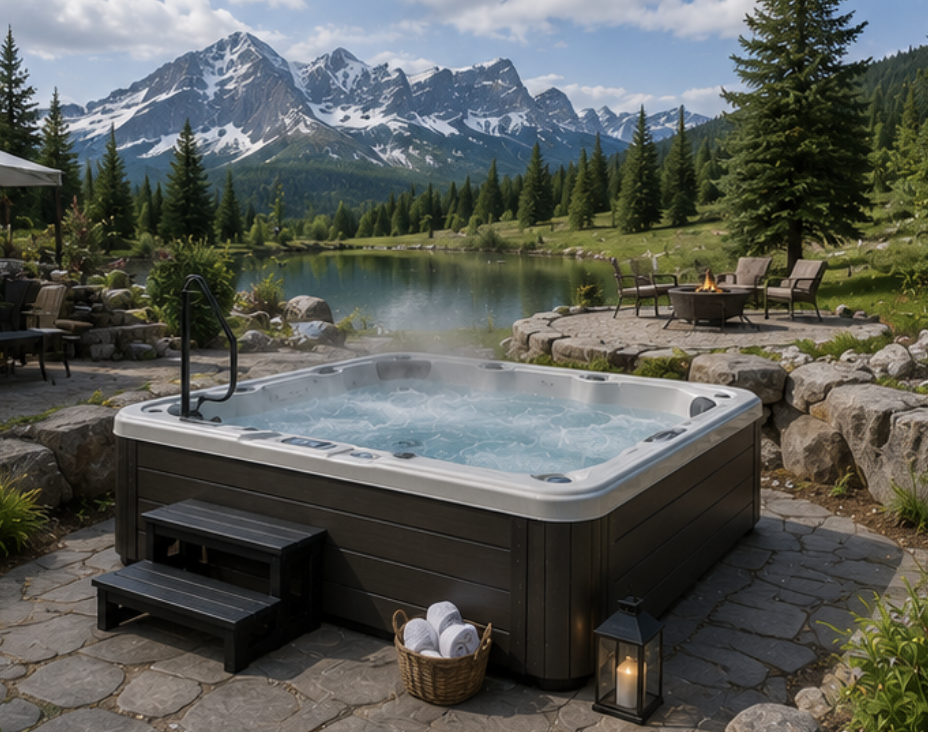
Dealer Size and Service Capacity Matter More Than Most Buyers Realize
Here is something many buyers do not think about.
Ask:
“How many service technicians do you employ?”
“Do you stock parts locally?”
Long-standing dealers often maintain:
- Dedicated service teams
- Warehouses of common parts
- Faster turnaround
- Better historical product knowledge
That inventory and experience can keep older hot tubs operating years longer than expected.
Maintenance Habits Can Add Years
Even premium tubs benefit from consistent ownership habits.
Focus on:
- Water balance
- Filter cleaning
- Scheduled water changes
- Cover maintenance
- Winter monitoring
- Preventative service
Small maintenance habits often create the biggest lifespan gains.
Wellness Insider Tip
A dealer with shelves of parts and experienced technicians can sometimes be more valuable than an extra discount at purchase.
Energy Efficiency Impacts Ownership Longevity
A hot tub that becomes expensive to run often gets replaced earlier.
Look for:
- Effective insulation
- Efficient circulation
- Quality covers
- Reliable controls
Lower operating costs usually encourage owners to keep tubs longer.
When Should You Repair vs Replace?
Repair often makes sense when:
✓ Structure is strong
✓ Parts remain available
✓ Energy costs remain reasonable
✓ Dealer support exists
Replacement may make sense when:
✓ Multiple systems fail repeatedly
✓ Parts are discontinued
✓ Efficiency improvements justify upgrading
✓ Repair costs become excessive
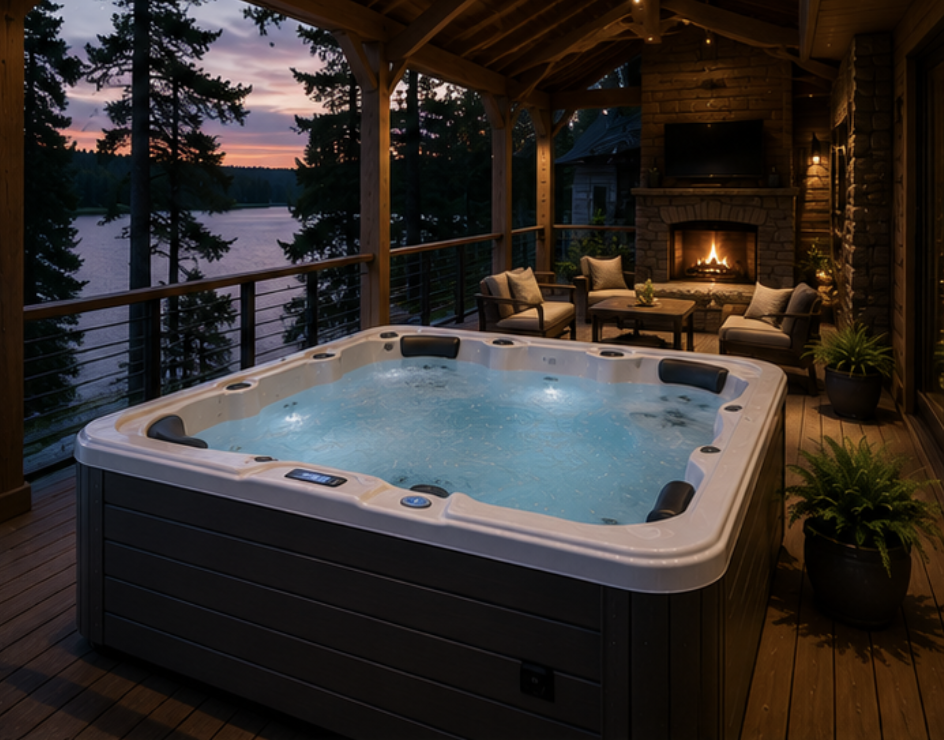
The Wellness Insider Canada Verdict
A quality hot tub can realistically last 15–20 years or more—but longevity is rarely determined by shell warranty alone.
Ask yourself:
Can I still get parts in 10 years?
Who services this product?
Does the dealer stock components?
Will this manufacturer still support me?
Buying from an established manufacturer and a reputable long-term dealer often costs less over the life of ownership than chasing the lowest upfront price.
That peace of mind may be one of the most valuable features a hot tub can have.
Frequently Asked Questions
Yes. Premium hot tubs that receive consistent maintenance and have continued parts support can remain operational for 15–20+ years.
Common service items include covers, pumps, heaters, sensors, and circulation equipment.
Some are widely available while others may be proprietary depending on manufacturer design.
Absolutely. Long-term dealer service often becomes more important than initial warranty coverage.
Local established dealers often provide faster parts access and service response over time.
What's on Your Wellness Wishlist?
Help shape our future reviews, guides, and comparisons.
Thank You for Taking the Time to Visit our Site!
Was this Helpful?
Your feedback is always welcome as we are consistently looking to improve.