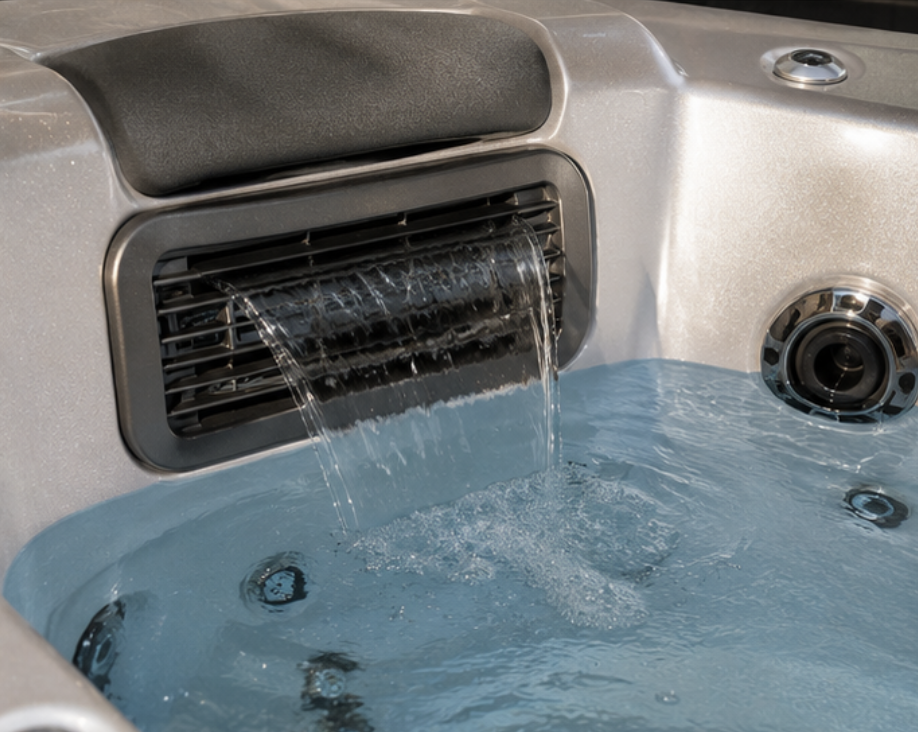
Saltwater sounds healthier, softer, and lower maintenance—but is it actually better?
Saltwater Hot Tubs: Luxury Upgrade or Marketing Hype?
Saltwater hot tubs have exploded in popularity and are often marketed as the cleaner, softer, and easier way to own a spa. But once you look beneath the surface, the truth is more interesting: saltwater still relies on sanitizer chemistry—and depending on your priorities, chlorine or bromine may actually be the better choice.
- June 2, 2026
- TheWellnessInsiderCanada
- 10:04 pm
Quick Answer
Saltwater hot tubs are not chemical-free and are not automatically better than chlorine or bromine. They typically generate sanitizer automatically and can provide softer-feeling water with less day-to-day maintenance, but they usually cost more upfront and still require water balancing. For many owners, the best system depends more on lifestyle than technology.
Why This Debate Exists
Ask ten hot tub owners whether saltwater is better and you may get ten different answers.
That is because people are often comparing completely different things:
- Water feel
- Maintenance effort
- Chemical usage
- Operating cost
- Water clarity
- Long-term ownership
Saltwater, chlorine, and bromine all sanitize water effectively—but they do it differently.

Wellness Insider Tip
Don’t buy a hot tub based on water chemistry alone. Buy based on how often you’ll realistically maintain it.
Option 1: Saltwater Hot Tubs – The Premium Experience?
How It Works
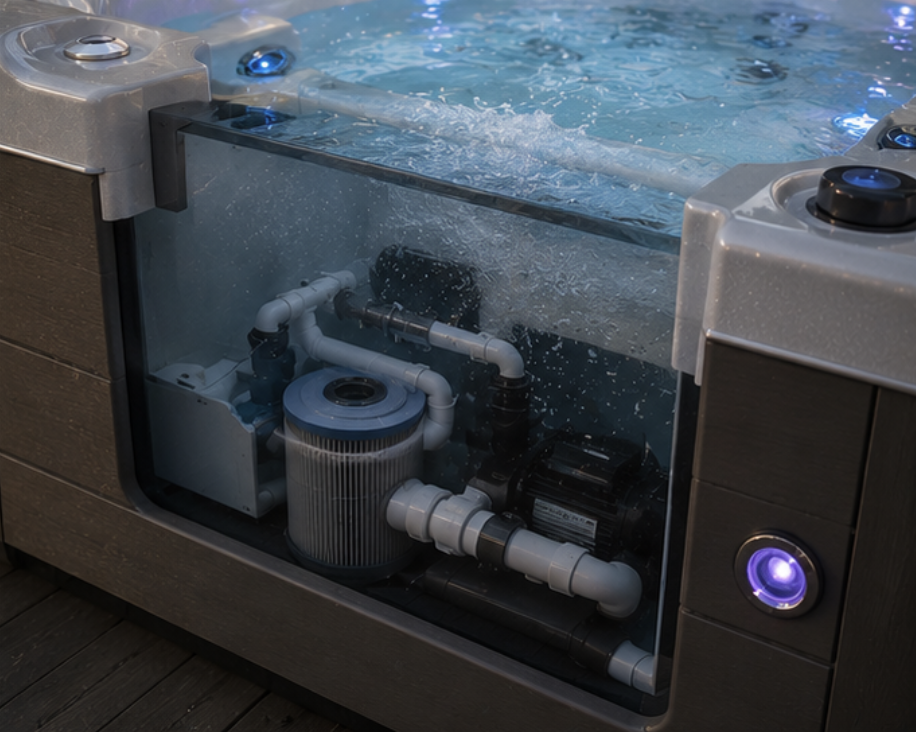
Saltwater systems add a low concentration of salt to the water. A generator then converts that salt into sanitizer automatically.
Translation:
Saltwater does not eliminate chlorine—it creates it.
That is the biggest misconception in the category.
Pros
✓ Softer-feeling water
✓ Less daily maintenance
✓ Stable sanitizer production
✓ Lower manual chemical handling
✓ Premium ownership experience
Cons
✕ Higher upfront cost
✕ Replacement cells/cartridges
✕ Still requires balancing
✕ Not truly chemical free
Best For
Owners who value convenience and use their tub consistently.
Option 2: Traditional Chlorine – The Proven Standard
How It Works
Sanitizer is manually added or supported with supplemental systems.
Pros
✓ Lowest ownership cost
✓ Fast sanitation
✓ Widely available products
✓ Easy service support
Cons
✕ More routine testing
✕ Greater chance of chemical swings
✕ More owner involvement
Best For
Budget-conscious owners who don’t mind basic maintenance.
Option 3: Bromine – The Underrated Contender
How It Works
Bromine remains effective in hot water and continues working longer after activation.
Pros
✓ Excellent heat stability
✓ Consistent sanitizer levels
✓ Often gentler experience than poorly managed chlorine
Cons
✕ Slower acting
✕ Slightly more expensive
✕ Less commonly understood by owners
Best For
Frequent hot tub users running higher temperatures.
The Cost Conversation Nobody Talks About
A saltwater system may reduce the amount of day-to-day chemical handling—but it rarely removes maintenance entirely.
Ownership still includes:
- Water testing
- Balancing pH
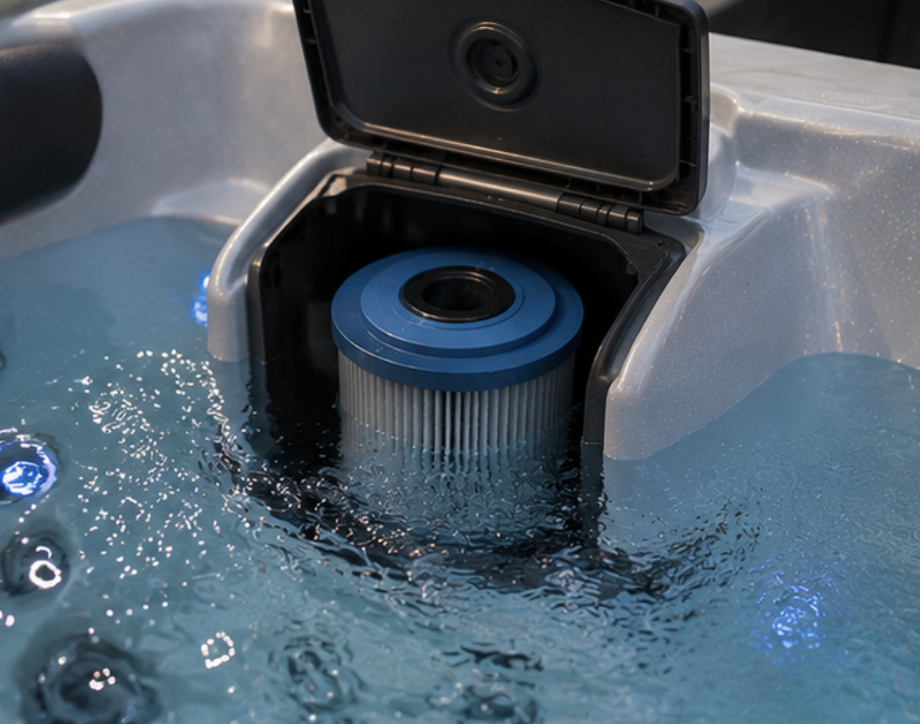
- Cleaning filters
- Draining schedules
- Component replacement
The question is not:
“Do I want chemicals?”
The better question is:
“How much maintenance do I want?”
Wellness Insider Tip
If a dealer says their saltwater system uses “no chlorine,” ask them what sanitizer is actually being produced inside the water.
What Most Dealers Don’t Tell You
Many buyers are led to believe:
❌ Saltwater = chemical free
❌ Saltwater = maintenance free
❌ Chlorine = harsh water
None of those are universally true.
A properly maintained chlorine spa can feel fantastic.
A neglected saltwater spa can feel terrible.
Water care often matters more than sanitizer type.
The Wellness Insider Canada Verdict
Luxury Upgrade or Marketing Hype?
Saltwater isn’t hype—but it also isn’t magic.
If convenience and a softer-feeling experience matter most, saltwater can absolutely be worth considering.
If value, simplicity, and low operating cost are your priorities, traditional chlorine remains an excellent option.
And for hot-water stability? Bromine still deserves more attention than it gets.
Frequently Asked Questions
No. Most saltwater systems still generate sanitizer from salt.
Many owners perceive less odor because sanitizer levels tend to stay more stable.
When properly maintained, both are considered safe and effective.
Usually yes—higher upfront costs and replacement components.
Longevity depends more on water balance and maintenance than sanitizer type.
Thank You for Taking the Time to Visit our Site!
Was this Helpful?
Your feedback is always welcome as we are consistently looking to improve.